Ah, iron-on letters — those seemingly permanent reminders of your crafting ambitions, team spirit, or maybe you're the proud owner of a "NO RAGRETS" sweater that, ironically, you now regret. Don't worry — you're not stuck with these textile testimonies forever. "How do you remove iron-on letters from a shirt?" is one of the most searched questions from crafters, and the answer is more straightforward than you might think.
The key lies in understanding not just the "how" but the "why" behind these permanent iron-on letters. What makes them stick so well? What can weaken their hold? What separates successful removal attempts from those that leave behind a ghostly outline or sticky residue? This guide answers all of those questions and walks you through two step-by-step removal methods.
What Are Iron-On Letters?
Iron-on letters are heat transfer vinyl designs applied to fabric using heat and pressure — and with the right technique, that bond can be broken.
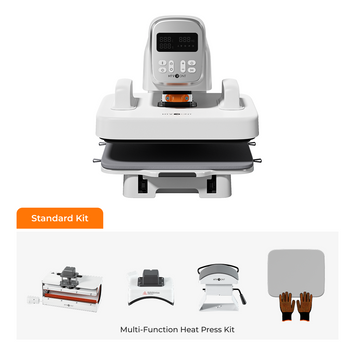
In your DIY projects, when you use heat transfer vinyl to create personalized designs on heat-resistant surfaces like clothes, you are creating iron-on letters. Then to apply them, you heat transfer the design onto your clothing using a heat press.
So how do iron-on letters stick? When the heat press heats the HTV, the adhesive melts into the fabric's fibers, creating a bond that's designed to survive washing, drying, and everyday wear. That's great for longevity — but it also means removal requires a bit of strategy.
Are Permanent Vinyl, Permanent?
Yes — permanent vinyl is permanent enough to withstand washing, drying, and even being left in a hot car. But that doesn't mean it's indestructible. With the right techniques and a bit of patience, you can remove iron-on letters — whether it's a misspelled name, a crooked application, or a design that's peeling off at the worst possible moment.
What Works Best for What Material
The fabric you're working with determines the safest and most effective removal approach — natural fibers can handle more heat and stronger chemicals than synthetics.
Before you begin, check what material your garment is made of. Natural fibers like cotton and linen are strong enough for high temperatures and stronger chemical solutions. Synthetic materials like polyester and nylon require gentler approaches to avoid damaging the fabric.
You should also consider the age and condition of your garment. Check for existing wear and tear — thin spots, small holes, or areas where the fabric has begun to break down. Older garments require gentler handling, as their fibers have likely weakened over time. If you're wondering "Can you remove iron-on letters from polyester?" — yes, but always use the lowest effective temperature and test first.
How Many Removal Methods Are There?
There are two main approaches to removing iron-on letters: heat-based methods that soften the adhesive, and chemical solutions that dissolve it.
You'll be glad to learn that both methods are straightforward and can be done with tools you likely already have. Here's a quick overview:
Heat-based methods — use an iron or heat press to melt the adhesive, then peel the vinyl away.
Chemical solution methods — use household solvents or commercial removers to dissolve the adhesive for a cleaner removal.
Heat-Based Methods
When using these methods, heat melts the adhesive of the vinyl design, making it easier to lift and peel. You can use either a heat press or a regular household iron. Here are the recommended temperature settings:
Cotton fabrics: Use the iron's cotton or linen setting. For a heat press, set it to 356°F (180°C).
Synthetic fabrics: Use a lower temperature, around 302°F (150°C).
Note: Always start on the lower end of the recommended temperature range and test on a small, inconspicuous area first. Gradually increase the heat if the transfer is not responding, but be careful not to exceed the safe temperature for your fabric type.
As the adhesive softens, use tweezers or your fingernails to lift the edges of the vinyl and peel them away. The iron or heat press allows you to apply heat evenly to the underside of the design for an easier lift.
Chemical Solution Methods
The heat-based method is simple and efficient, but it can sometimes leave residue behind. Chemical solutions provide a cleaner and more complete removal when you need it.
There are two main types of chemical solutions:
Household alternatives — rubbing alcohol, white vinegar, or nail polish remover. These require more patience and multiple applications.
Solvent-based methods — acetone or commercial adhesive removers. These work faster but require extra safety precautions.
Safety precautions for solvent-based removers:
Read the manufacturer's instructions before use.
Work in a well-ventilated area and wear protective gloves.
Test on a small hidden area first.
Apply carefully to avoid using more than needed.
If you're working with HTV and want to avoid removal headaches in the future, our heat press settings guide covers the correct time, temperature, and pressure for every type of vinyl — so your next application goes on right the first time.
How to Remove HTV Using Iron and Tweezers
The iron and tweezers method is the easiest heat-based approach — perfect for cotton garments and quick fixes.
This visual tutorial will show you how to effortlessly peel away HTV using the dynamic duo of iron and tweezers:
Step 1: Preparing Your Cloth and Iron
Plug in your iron and set it to the cotton setting. Place it with the ironing surface facing you and let it warm up for about 1 minute.
Take your garment — let's use a shirt as an example — and place it over the iron like you're dressing a child. Hold it in place by the iron's handle.
The back side of the HTV design — the side with the adhesive — should be against the ironing surface.
Note: The iron is hot — handle it carefully to avoid burns.
Step 2: Removing the Heat Transfer Vinyl with Tweezers
When the HTV design starts to heat up, you'll begin to smell the adhesive melting. Use your tweezers to carefully peel the vinyl away from the fabric.
How to Remove HTV Using a Letter Remover Solvent
For a cleaner removal with less residue, a letter remover solvent dissolves the adhesive from the underside of the design.
Safety first: Wear protective gloves and eyewear, ensure proper ventilation, and keep all solutions away from heat sources and open flames when working with chemical solvents.
It's time to dissolve the bond of heat transfer vinyl with the power of a letter remover solvent. All you need are a pair of protective gloves, a well-ventilated area, an HTV solvent remover, and a white cloth to apply the solvent.
Step 1: Preparing Your Shirt and the Letter Remover Solvent
To make sure the solvent doesn't fade your shirt, test it first. Take a plain white cloth, dip it in the solvent, and test it on an inconspicuous area — like under the shirt's arm. If it's safe, turn the shirt inside out to access the underside of the HTV design.
Step 2: Removing the HTV Letter with the Letter Remover Solvent
Using the plain white cloth dipped in solvent, moisten the underside of the vinyl letter you want to remove.
To be more precise, use your other hand to hold the letter from the front as you moisten its underside.
Then slowly peel off the front of the letter to remove it.
If there's any adhesive residue left after peeling off the letter, use the white cloth with the solvent to wipe it away — it should come off easily.
✓ Iron-On Letter Removal Quick Checklist
□ Identify fabric type (cotton, polyester, blend)
□ Check garment condition for weak spots
□ Choose method: heat or chemical solvent
□ Test on a hidden area first
□ For heat: set correct temperature for fabric type
□ For solvent: wear gloves and work in ventilation
□ Peel slowly from edges — never yank
□ Wipe away residue before washing
Frequently Asked Questions
Quick answers to the most common questions about removing iron-on letters from clothing.
How do you remove iron-on letters from a shirt?
The easiest method is to heat the design from the back using an iron or heat press to soften the adhesive, then peel the letters away with tweezers. For stubborn residue, use a solvent-based remover or rubbing alcohol.
Will removing HTV leave a sticky residue?
Heat-based methods can sometimes leave a small amount of adhesive residue. Wipe it away with rubbing alcohol, white vinegar, or a commercial adhesive remover using a clean cloth. Solvent-based removers typically leave less residue.
Can you remove iron-on letters from polyester?
Yes, but use a lower temperature — around 302°F (150°C) — and work slowly. Polyester is more heat-sensitive than cotton, so always test on a hidden area first and avoid applying heat for too long.
What temperature melts HTV adhesive for removal?
For cotton, set your heat press or iron to approximately 356°F (180°C). For synthetics, use around 302°F (150°C). Always start at the lower end and increase gradually if the adhesive isn't softening.
Is nail polish remover safe to use on fabric?
Nail polish remover containing acetone can work on HTV adhesive, but it may damage delicate or synthetic fabrics. Test on a hidden area first. For cotton, it's generally safe in small amounts. Rubbing alcohol is a gentler alternative.
What is the best solvent for removing heat transfer vinyl?
Commercial HTV letter remover solvents work best and are specifically formulated for this purpose. Household alternatives include rubbing alcohol, white vinegar, and acetone-based nail polish remover. Solvent-based removers work faster than household options.


 Cart Unlocks Add-On Deals