Introduction
Life jackets are essential safety gear for water‑based activities such as swimming, boating, sailing, and water rescues. When creating designs, logos, or text for life jackets, heat press technology is often the preferred choice due to its durability, efficiency, and aesthetic appeal. However, compared to heat press designs on regular T‑shirts, designing for life jackets requires additional considerations—waterproofing, nighttime visibility, and the unique properties of coated synthetic fabrics. This guide explores the key differences between heat pressing on T‑shirts and life jackets, the best materials to use, and the critical factors to consider for optimal, safety‑grade results.
Let's start by understanding what makes life jackets fundamentally different from T‑shirts as a heat press substrate.
Key Differences Between T‑Shirt and Life Jacket Heat Press Designs
T‑shirts are made from cotton, polyester, or blends and prioritize aesthetics. Life jackets are made from coated nylon or polyester and prioritize safety, waterproofing, and extreme durability. These differences affect every aspect of the heat press process—from material selection to temperature settings.
1. Waterproofing Requirements
T‑Shirts: Standard heat transfer vinyl (HTV) such as PU or PVC vinyl works well for everyday wear on cotton and polyester garments. These materials are not designed to withstand prolonged water exposure and may peel or fade when wet. Life Jackets: The outer layer of life jackets is typically nylon or polyester with a waterproof coating. Standard HTV often fails to adhere to these coated surfaces. Specialized waterproof heat transfer materials are required to ensure the design stays intact through repeated water exposure, saltwater, and UV radiation.
2. Reflective and Visibility Needs
T‑Shirts: Design priorities are aesthetic—colorful graphics, logos, and creative text. Reflectivity is rarely a consideration unless the garment is for athletic wear or safety uniforms. Life Jackets: Visibility is a critical safety factor. In low‑light or nighttime conditions, reflective elements help rescuers locate individuals more quickly. Reflective heat transfer vinyl is essential for life jacket designs because it bounces light back toward its source—making the wearer dramatically more visible during nighttime water activities or rescue operations.
3. Durability Requirements
T‑Shirts: Standard HTV provides sufficient durability for casual wear and regular machine washing. Life Jackets: Life jackets face harsh environments—saltwater, UV rays, constant friction, and abrasion. Heat press designs must withstand these conditions without fading, peeling, or cracking. Materials like silicone heat transfer vinyl and high‑performance HTV are ideal because they offer superior resistance to wear and environmental stress.
4. Temperature and Pressure Sensitivity
T‑Shirts: Cotton and polyester tolerate higher heat—typically 300°F to 320°F—making them straightforward to press. Life Jackets: The coated nylon or polyester outer fabric is more heat‑sensitive and can melt or warp if overheated. Life jacket pressing requires lower temperatures—around 250°F to 290°F—and medium pressure to avoid damaging the material or the waterproof coating. The slick surface also demands specialized adhesives for proper bonding.
With the differences clear, let's look at the specific materials that actually work on life jackets—and when to use each one.
Best Heat Press Materials for Life Jackets
Four types of HTV are purpose‑built for the demands of life jacket decoration: reflective HTV for nighttime safety, nylon‑specific HTV for coated waterproof surfaces, silicone HTV for maximum durability and premium texture, and waterproof HTV for designs that must survive constant water exposure.
1. Reflective Heat Transfer Vinyl (HTV)
Reflective HTV is the most important material for life jackets used in low‑light or nighttime conditions. It reflects light back to its source, dramatically improving visibility and safety. The material is waterproof, durable, and compatible with nylon and polyester fabrics. Best uses include adding reflective strips, logos, and safety markings to life jackets, and designing gear for nighttime water sports or rescue operations.
2. Nylon‑Specific Heat Transfer Vinyl
Nylon‑specific HTV is formulated to adhere to the waterproof and coated fabrics used in life jackets. It provides strong, reliable adhesion even after prolonged water exposure and resists peeling and lifting in wet conditions. Available in a variety of colors and finishes, it's ideal for custom branding, logos, text, and personalizing water sports gear or team uniforms.
3. Silicone Heat Transfer Vinyl
Silicone HTV is thicker and more durable than standard vinyl, offering a premium look with a raised, 3D texture. It's highly flexible, resistant to extreme conditions, waterproof, and exceptionally durable. Best uses include high‑end branding, decorative elements, and designs that require a textured, dimensional appearance on premium life jackets.
4. Waterproof Heat Transfer Vinyl
Waterproof HTV is specifically engineered to withstand prolonged water exposure without peeling, fading, or losing adhesion. It retains vibrant colors and sharp details even after repeated use in wet environments. Best uses include printing safety instructions, emergency contact information, and custom designs for life jackets used in water sports and boating.
📖 Want to explore the full range of specialty HTV materials?
With the right materials selected, here are the practical tips that ensure your life jacket designs hold up in real‑world conditions.
Tips for Heat Pressing Life Jackets
Success on life jackets comes down to four habits: use lower temperatures (250°F–290°F) with medium pressure to protect the coated fabric, always test on a sample of the same material first, prioritize reflective elements for safety, and use a high‑quality T‑shirt press with precise temperature and pressure controls for consistent, damage‑free results.
-
Use the Right Temperature and Pressure: Life jacket fabric is heat‑sensitive. Set your press to 250°F–290°F with medium pressure to avoid melting, warping, or coating damage.
-
Test Before Production: Always test on a sample of the same life jacket material to verify adhesion and confirm the fabric isn't damaged by your settings.
-
Prioritize Reflective Elements: Incorporate reflective HTV into every design—it's the single most impactful safety feature you can add for nighttime and low‑light visibility.
-
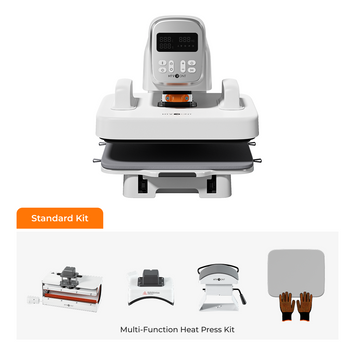
Choose the Right Heat Press Machine: A press with precise digital temperature and pressure controls gives you the consistency needed when working with sensitive coated fabrics.
Frequently Asked Questions
What type of HTV is best for life jackets?
The best HTV for life jackets depends on your priority. For safety and nighttime visibility, reflective HTV is the top choice. For adhesion to coated waterproof fabrics, nylon‑specific HTV works best. For maximum durability in harsh environments, silicone HTV is ideal. For designs that must survive constant water exposure, waterproof HTV is purpose‑built. Many professional life jacket designs combine reflective HTV with one of the other types for both safety and branding.
Can I use standard HTV on a life jacket?
Not reliably. Standard HTV is designed for cotton and polyester garments without waterproof coatings. Life jackets have slick, coated surfaces that standard HTV struggles to bond with. Even if it appears to stick initially, standard HTV is likely to peel, lift, or fade after exposure to water. Always use HTV specifically formulated for nylon, waterproof, or coated fabrics.
What temperature should I use when heat pressing life jackets?
Life jackets require lower temperatures than standard T‑shirts—typically 250°F to 290°F with medium pressure. This prevents the coated nylon or polyester outer fabric from melting, warping, or losing its waterproof properties. Always consult the specific HTV manufacturer's instructions and test on a sample piece first, as different life jacket brands may have different coating formulations.
Why is reflective HTV important for life jacket designs?
Reflective HTV dramatically improves visibility in low‑light and nighttime conditions by reflecting light back toward its source—such as boat lights, flashlights, or searchlights. This can make the difference between being seen and being missed during nighttime water activities or rescue operations. For any life jacket intended for use in dim or dark conditions, reflective elements are not just a design choice—they're a critical safety feature.
Conclusion
While heat pressing on T‑shirts is often focused on aesthetics, heat pressing for life jackets prioritizes safety, durability, and functionality. The materials used for life jacket designs must meet specific requirements—waterproofing, reflectivity, and resistance to harsh environments. Reflective HTV, nylon‑specific HTV, silicone HTV, and waterproof HTV are all excellent choices, each serving a distinct purpose. By understanding the differences between T‑shirt and life jacket heat press designs and selecting the right materials and settings, you can create custom life jackets that are not only visually appealing but also meet the highest safety standards. Whether you're designing for a water sports team, a rescue crew, or personal use, these guidelines ensure your designs stand the test of time—and water.


 Cart Unlocks Add-On Deals