Introduction
Sublimation paper is a remarkable innovation in the world of printing. It's not just any ordinary paper — it's a specialized medium that acts as the bridge between your creative vision and the final product. Designed to work in harmony with sublimation ink, this unique paper transfers vibrant, high-quality designs onto a variety of surfaces, such as fabrics, ceramics, metals, and other coated materials.
Its role is pivotal in the dye-sublimation printing process, ensuring that every detail of your design is transferred with precision and brilliance. But how does it work? What makes it so special at the molecular level? This guide takes you through the science, the step-by-step process, the real-world applications, and how sublimation compares to DTF — so you can decide which method fits your projects best.
Key Takeaways
-
Sublimation paper is a specially coated transfer medium that holds dye-based ink on its surface without absorbing it.
-
The ink undergoes a phase transition called sublimation — turning directly from solid to gas at 350–400°F, skipping the liquid phase entirely.
-
At the molecular level, gaseous dye molecules penetrate the polymer structure of polyester fibers and permanently bond within them.
-
It works on apparel, drinkware, hard goods, and home décor — but only on light-colored, polyester or coated substrates.
-
Sublimation beats DTF for durability on polyester, but DTF wins on cotton and dark fabrics.
📑 Table of Contents
1. The Magic Behind Sublimation Paper
At first glance, sublimation paper might look like ordinary paper, but don't be fooled. Sublimation paper is coated with a special polymer layer that holds sublimation ink on its surface without absorbing it. This is the key to its effectiveness.

The Science: Solid to Gas, Skipping Liquid
The process behind sublimation is a fascinating lesson in thermodynamics. Sublimation is a phase transition in which a substance changes directly from a solid to a gas, bypassing the liquid state entirely. This phenomenon occurs under specific temperature and pressure conditions where the substance's molecules gain enough kinetic energy to escape their solid structure without first melting.
In the case of sublimation ink, the dye molecules are suspended in a carrier liquid when printed. Once the paper is placed on a heated press (350–400°F / 175–205°C), the dye solids undergo this phase transition. As Britannica explains, sublimation occurs when the vapor pressure of the solid exceeds the surrounding atmospheric pressure at that temperature — essentially, the dye molecules "jump" from a solid arrangement directly into a gaseous state.
How the Polymer Coating Works
The polymer coating on sublimation paper serves a precise molecular function. When printed, the liquid carrier in the ink is absorbed by the coating, while the dye solids remain trapped on the surface. This prevents the dye from soaking into the paper fibers where it would be permanently locked away. Instead, the dye stays accessible, ready to be released the moment heat is applied.
During pressing, the coating also facilitates the transfer. As the dye transitions to gas, it moves from the paper coating into the target surface's polymer structure. In dye-sublimation printing, this gaseous dye penetrates the polyester fibers or polymer coating of the substrate, where it re-solidifies as it cools — becoming permanently trapped within the material's molecular structure.
📖 Deepen Your Knowledge
What Is Sublimation Ink? — Understand the chemistry behind the dye that makes this entire process possible.
2. How Does Sublimation Paper Work?
The process of using sublimation paper is a seamless blend of technology and creativity. Here's how it works:
Printing the Design
The journey begins with your design. Using a sublimation printer loaded with sublimation ink, you print your artwork onto the sublimation paper. A key detail here is that the design must be printed in reverse (mirrored), so it appears correctly once transferred.
Heat Transfer Process
Once the design is printed, the sublimation paper is placed on the substrate — be it a T-shirt, mug, or phone case — with the printed side facing down. A heat press machine is then used to apply heat and pressure. This step is where the magic happens: the heat activates the sublimation ink, turning it into gas, while the pressure ensures the ink penetrates the surface of the substrate.
Ink Bonding at the Molecular Level
As the gaseous ink comes into contact with the polymer-coated surface, it bonds at a molecular level. The heat opens the polymer chains of the polyester fibers or coating, allowing the gaseous dye molecules to slip between them. When the substrate cools, these chains close around the dye molecules, permanently trapping them within the material. This is fundamentally different from screen printing or vinyl — the design isn't sitting on top; it's part of the material itself.
Peeling Off the Paper
After the transfer is complete, the sublimation paper is peeled away, leaving behind a flawless, durable design that's ready to impress.
Quick Reference: Sublimation Settings by Material
Use this table as a starting point for the most common sublimation substrates. Always check your specific blank manufacturer's instructions, as coatings and thickness can vary:
| Material |
Temperature |
Time |
Pressure |
| Polyester T-Shirt |
385–400°F (195–205°C) |
45–60 seconds |
Medium |
| Ceramic Mug |
375–400°F (190–205°C) |
3–5 minutes |
Medium |
| Phone Case |
375–390°F (190–200°C) |
60–90 seconds |
Medium |
| Aluminum Panel |
385–400°F (195–205°C) |
60–90 seconds |
Medium |
| Coasters |
375–390°F (190–200°C) |
45–60 seconds |
Light–Medium |
Pro Tip: For consistent, predictable colors across all your projects, calibrate your printer with an ICC color profile that matches your specific ink, paper, and heat press combination. ICC profiles translate screen colors into accurate printed output, reducing the guesswork and material waste that come with trial-and-error color adjustments.
📖 Ready to Press?
How to Use Sublimation Paper — The full transfer process, from preparing your blank to peeling the paper for a flawless finish.
3. Where Sublimation Paper Shines
The versatility of sublimation paper makes it a star in many industries. It's a tool that empowers creativity, allowing businesses and individuals to bring their ideas to life in vivid color. Here are some of the most popular applications:
Apparel and Textiles
From custom T-shirts to sportswear, sublimation printing is a favorite in the fashion world. It works best on polyester or polyester-blend fabrics, where the ink bonds seamlessly with the fibers.
Promotional Products
Personalized sublimation tumblers, phone cases, mousepads, and tote bags are just a few examples of how sublimation paper helps businesses leave a lasting impression.
Home Décor
Create stunning photo panels, coasters, and wall art that add a personal touch to any space.
Signage and Displays
Durable, weather-resistant banners and flags are perfect for outdoor advertising.
Gift Items
Sublimation printing is ideal for creating unique, customized gifts like keychains, ornaments, and photo frames.
📖 Find Your Next Project
What Is Sublimation Paper Used For? — Explore 50+ project ideas across apparel, drinkware, hard goods, and home décor, with temperature references for each blank type.
4. Why Choose Sublimation Paper?
Sublimation paper offers a host of benefits that make it the go-to choice for high-quality printing projects. Here's why it stands out:
Vivid and Long-Lasting Prints
The colors produced by sublimation printing are incredibly vibrant and resistant to fading, even after repeated washing or exposure to sunlight. The designs become part of the material, ensuring they won't crack or peel over time.
Environmentally Friendly
Sublimation printing uses water-based inks and doesn't produce harmful waste, making it an eco-conscious choice for businesses and individuals.
Versatility
From clothing to ceramics, sublimation paper can be used on a wide range of materials, as long as they have a polymer coating or are made from polyester.
Cost-Effective
While the initial investment in equipment may seem high, the low cost per print makes sublimation an economical option for producing customized products in bulk.
Ease of Use
The process is straightforward and beginner-friendly, making it accessible even to those new to printing.
5. How to Choose the Right Sublimation Paper
Not all sublimation paper is created equal. The quality of your paper directly affects transfer clarity, color vibrancy, and how forgiving the process is for beginners. Here are the key factors to evaluate when shopping:
Paper Weight (GSM)
Sublimation paper typically ranges from 90 to 120 grams per square meter (GSM). Lighter paper (90–100 GSM) works well for standard fabric projects and is more affordable. Heavier paper (105–120 GSM) holds more ink without curling or wrinkling, making it better for large-format designs and detailed artwork where precision matters.
Drying Speed
Fast-drying paper prevents ink from spreading or bleeding before you transfer it. This is especially important for designs with fine details, thin lines, or small text — slower-drying paper can cause these elements to blur. If you work with intricate designs, prioritize a quick-dry coating.
Transfer Rate
High-quality sublimation paper releases 90% or more of the ink it holds onto the substrate. Lower-quality paper may retain more ink, resulting in faded or muted colors. Look for paper that advertises a high transfer rate — this single factor has an outsized impact on the vibrancy of your final product.
Printer Compatibility
Ensure the paper is compatible with your specific printer model and ink type. Some papers are optimized for specific printer brands or converted inkjet printers. Using incompatible paper can lead to poor ink absorption, smudging, or even paper jams.
6. Limitations of Sublimation Paper
Despite its many advantages, sublimation paper does have some limitations. For one, it's restricted to materials with a high polyester content or a polymer coating. Natural fabrics like cotton require additional treatment to work with sublimation printing. Additionally, sublimation ink is transparent, which means it works best on light-colored or white surfaces. Dark or black materials are not suitable for this process. Finally, the initial cost of purchasing sublimation equipment, including printers and heat presses, can be a barrier for some users.
7. Sublimation Heat Press vs. DTF Heat Press
When it comes to transferring designs onto materials, two popular methods are sublimation heat presses and DTF (Direct-to-Film) heat presses. While both rely on heat and pressure, they are designed for different purposes and materials.
It's important to note that DTF heat press requires a DTF printer to print the image, while sublimation heat press requires a sublimation printer or a modified inkjet printer. The pigment carriers (sublimation paper and DTF sheets), inks, and printers used in both are not interchangeable.
| Feature |
Sublimation |
DTF |
| Fabric Compatibility |
Polyester and polymer-coated surfaces only |
Cotton, polyester, blends, dark fabrics |
| Feel on Fabric |
No texture — becomes part of the material |
Slight texture — sits on the surface |
| Color Vibrancy |
Excellent on light-colored substrates |
Excellent on both light and dark substrates |
| Durability |
Extremely durable — won't fade, crack, or peel |
Highly durable — 50+ washes when properly cured |
| Equipment Needed |
Sublimation printer + heat press |
DTF printer + heat press + curing oven or heat press |
Sublimation Heat Press
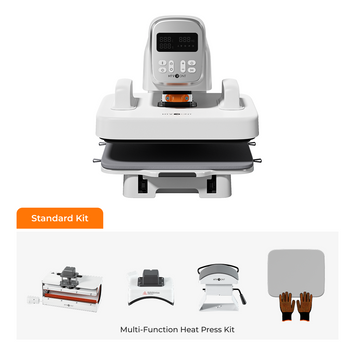
This equipment is specifically designed for dye-sublimation printing. It works by converting sublimation ink into gas, which bonds with the polymer-coated surface of the substrate. The result is a high-quality, durable design that becomes part of the material. However, it's limited to light-colored polyester or polymer-coated surfaces.
DTF Heat Press
DTF printing, on the other hand, allows designs to be printed onto PET films, which are then transferred to a wide variety of materials, including cotton, polyester, and blends. Unlike sublimation, DTF works well on dark-colored materials and doesn't require a polymer coating. The designs, however, sit on the surface of the material, which may make them slightly less durable than sublimation prints.
In essence, sublimation heat presses are the go-to choice for vibrant, durable designs on light-colored polyester products, while DTF heat presses offer greater flexibility for printing on diverse materials, including dark fabrics and cotton.
8. Quick Troubleshooting Guide
When your sublimation print doesn't come out as expected, use this guide to identify the root cause quickly:
Problem: Blurry or Ghosted Design
Cause: The sublimation paper shifted during pressing.
Fix: Secure the paper with heat-resistant tape on all four corners. Avoid lifting or bumping the press once it's closed. Ghosting can also occur if you open the press too slowly and the paper sticks and lifts slightly — open in one smooth, quick motion.
Problem: Faded or Washed-Out Colors
Cause: Temperature too low, time too short, or low polyester content in the substrate.
Fix: Verify your heat press reaches the full 385–400°F with an external thermometer. Increase pressing time in 5–10 second increments. Ensure your substrate has at least 65% polyester content.
Problem: White Spots or Specks on the Design
Cause: Dust, lint, or moisture on the substrate or paper.
Fix: Pre-press the substrate for 3–5 seconds to remove moisture. Use a lint roller on fabrics before pressing. Store sublimation paper in a dry, dust-free environment.
Problem: Uneven Transfer — Some Areas Dark, Others Light
Cause: Uneven pressure from the heat press.
Fix: Check that your platen is level. Use a pressing pillow under seams, zippers, or buttons to create a flat surface. Increase pressure slightly and ensure it's distributed evenly across the entire design area.
Problem: Paper Sticks to the Substrate After Pressing
Cause: Overheating or using paper not designed for the specific substrate.
Fix: Reduce temperature by 5–10°F. Ensure you're using sublimation paper (not regular transfer paper). Peel the paper immediately while hot — waiting too long can cause sticking.
9. Frequently Asked Questions
Can I use sublimation paper on cotton T-shirts?
Not directly. Sublimation ink bonds only with polyester fibers or polymer-coated surfaces. 100% cotton lacks the polymer structure needed for the ink to bond. You can use a polyester coating spray on cotton, opt for polyester-coated blanks, or switch to DTF transfers for cotton garments.
Why does my sublimation design look faded after pressing?
Faded prints usually indicate insufficient time, temperature that's too low, or low polyester content in the substrate. Verify your heat press reaches 380–400°F with an external thermometer, confirm your material is at least 65% polyester, and ensure you're pressing for the full 40–60 seconds without lifting early.
What's the difference between sublimation paper and DTF transfer film?
Sublimation paper releases dye as a gas that bonds into polyester fibers at the molecular level — the design becomes part of the material. DTF film carries a printed design with adhesive powder that melts onto the fabric surface. Sublimation works only on light polyester; DTF works on cotton, dark fabrics, and a wider range of materials.
Can I use a regular inkjet printer with sublimation paper?
No. Sublimation requires specialized sublimation ink and a printer designed or converted for sublimation use. Standard inkjet ink will not turn into gas when heated and will simply smear or wash out. Using the wrong ink can also clog or damage your printer. Learn more about sublimation paper and printer compatibility here.
Is sublimation printing environmentally friendly?
Yes. Sublimation uses water-based inks that produce no harmful waste during the transfer process. Unlike some other printing methods, there are no liquid byproducts or chemical baths involved. The paper can be recycled after use, and the ink bonds permanently to the substrate without peeling or flaking off into the environment.
10. Keep Learning
Continue building your sublimation expertise with this complete reading path — from beginner basics to advanced techniques:
From theory to practice, this reading path covers everything you need to go from complete beginner to confident sublimation crafter. Bookmark this page as your starting point, and return to it whenever you need a refresher.


 Cart Unlocks Add-On Deals