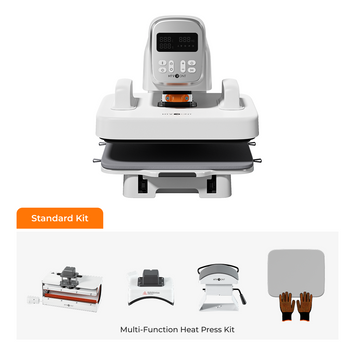
What Is a Heat Press? A Comprehensive Guide
A heat press is a machine used to transfer designs, patterns, or graphics onto various materials, such as fabric, ceramics, wood, and more, using heat and pressure. It is an essential tool in the customization industry, enabling businesses and hobbyists to create personalized products like T-shirts, mugs, hats, and tote bags. Whether you're starting a small business or exploring creative hobbies, understanding what a heat press is and how it works is crucial for achieving professional-quality results.
This article will dive into the definition, types, uses, and benefits of heat presses, as well as provide tips for choosing the right machine for your needs. You'll also find practical advice on heat press settings, maintenance, and answers to common questions.
How Does a Heat Press Work?
A heat press works by combining heat and pressure to transfer designs from heat transfer materials (such as heat transfer vinyl, sublimation paper, or transfer paper) onto substrates (the items being customized). The machine consists of two main components:
-
Heating Element: The upper platen heats to a specific temperature, depending on the material and transfer method used.
-
Pressure Plate: The lower platen secures the substrate and applies pressure during the pressing process.
To use a heat press, simply place the item to be customized on the lower platen, position the design on top, and close the machine. The combination of heat, pressure, and time ensures the design adheres firmly to the substrate.
Heat Press Settings for Common Materials
One of the most frequent questions beginners ask is, "What temperature and how long?" Here's a quick-reference table for three of the most common transfer methods. Always check the specific instructions for your material, as formulations can vary.
| Material |
Temperature |
Time |
Pressure |
| Standard HTV |
150°C (305°F) |
10-15 seconds |
Medium |
| Sublimation |
195-205°C (385-400°F) |
40-60 seconds |
Medium |
| DTF Film |
150-160°C (300-320°F) |
15-20 seconds |
Medium to Firm |
For a complete breakdown of settings for different HTV types and fabrics, take a look at our HTV Cutting & Heat Settings Guide.
Types of Heat Press Machines
Heat presses come in various styles, each designed for specific needs and applications. Here are the most common types:
-
Description: The upper platen opens and closes vertically like a clamshell.
-
Best For: Beginners and small projects due to its compact design and ease of use.
-
Pros: Space-saving, affordable, simple operation.
-
Cons: Limited workspace; not ideal for thicker items or larger designs.
2. Swing-Away Heat Press
-
Description: The upper platen swings to the side, offering complete access to the workspace.
-
Best For: Professionals or those working with thicker materials like wood or tiles.
-
Pros: Provides a safer workspace, reduces the risk of burns, and ensures even pressure.
-
Cons: Requires more space and is typically more expensive.
3. Drawer Heat Press
-
Description: The lower platen slides out like a drawer, allowing access to the workspace without moving the upper platen.
-
Best For: Users prioritizing safety and convenience.
-
Pros: Easy placement of items, reduces burn risk.
-
Cons: Takes up more space, higher cost.
4. Multifunction Heat Press
-
Description: A versatile machine with interchangeable attachments for pressing various items, such as mugs, hats, and plates.
-
Best For: Businesses or hobbyists looking to customize multiple types of products.
-
Pros: Highly versatile, ideal for diverse projects, cost-effective.
-
Cons: Can be more complex to operate and maintain.
Common Uses of Heat Press Machines
Heat presses are widely used across various industries and creative fields. Here are some of the most popular applications:
1. Custom Apparel
Heat presses are frequently used to create personalized T-shirts, hoodies, and other clothing items. Designs can be transferred using heat transfer vinyl (HTV), sublimation paper, or transfer paper, making them a favorite for businesses focused on custom apparel or promotional products.
2. Sublimation Printing
Sublimation printing is a process that transfers designs from sublimation paper onto polyester fabrics or specially coated items. Heat presses are essential for sublimation printing, as they provide the heat and pressure needed for dye to bond with the substrate. If you're interested in the details, we have a dedicated guide on things to know before starting sublimation.
3. Mugs and Drinkware
With the right attachments, heat presses can be used to customize mugs, tumblers, and water bottles. This is especially popular for creating personalized gifts or branded merchandise.
4. Hats and Caps
Hat presses are designed for curved surfaces, making them ideal for customizing hats and visors.
5. Home Decor and Crafts
Heat presses can also be used to customize items like pillowcases, tote bags, coasters, and even wooden plaques, opening up endless creative possibilities.
Benefits of Using a Heat Press
Whether for business or hobby purposes, investing in a heat press offers numerous advantages. Here are some key benefits:
1. Professional Results
Heat presses ensure consistent heat and pressure, producing high-quality, durable, and professional designs.
2. Versatility
With the right attachments and materials, heat presses can handle a wide range of items, from apparel to ceramics.
3. Cost-Effective
For businesses, heat presses provide an economical way to produce custom products in-house, eliminating the need for outsourcing.
4. Easy to Use
Modern heat presses are user-friendly, featuring digital controls for adjusting temperature, pressure, and time—perfect for beginners.
5. Scalability
Heat presses are suitable for both small-scale and large-scale production, making them ideal for hobbyists and businesses alike.
What Heat Press Machines Does HTVRONT Offer?
HTVRONT, a renowned brand in the heat transfer equipment industry, has developed heat press machines that combine aesthetic appeal and professional functionality, addressing the needs of beginners for convenience and practicality. These heat presses are designed to be user-friendly, safer, and easier to operate, making them perfect for everyone from beginners to professionals. Below are some of HTVRONT's key heat press models and their features:
-
Hat Press: Specifically designed for customizing hats, this heat press is perfect for transferring designs onto curved surfaces. It's an ideal choice for creating personalized hats, and its simple operation makes it beginner-friendly.
-
T-Shirt Press: The most common type of heat press, designed for T-shirts and other flat fabrics. HTVRONT's T-shirt presses are optimized for both functionality and aesthetics, helping users achieve high-quality apparel customization with ease.
-
Mini Heat Press: Compact and portable, this heat press is designed for small designs or hard-to-reach areas, such as cuffs, pockets, or small children's clothing. Its lightweight design and straightforward operation make it perfect for home craft enthusiasts and beginners.
-
Tumbler Heat Press: Designed for customizing cylindrical items like tumblers, mugs, and water bottles. HTVRONT's tumbler press ensures even heat distribution on curved surfaces and includes safety features for worry-free operation.
-
Phone Case Heat Press: This heat press is specifically designed for customizing phone cases, allowing precise transfers onto case surfaces. It's easy to use and highly efficient, making it ideal for beginners.
-
Auto Heat Press: Equipped with automatic pressing functionality, this heat press is perfect for users needing high-volume production. HTVRONT's auto heat press features intelligent design to ensure consistent pressure and temperature, saving time while enhancing efficiency. It's a favorite among both beginners and professionals.
-
Manual Heat Press: A classic manually operated heat press that is affordable and offers flexible control, making it ideal for beginners and small studios. HTVRONT's manual heat press features a user-friendly interface, ensuring easy operation for entry-level users.
Whether you're customizing T-shirts, hats, tumblers, or other personalized items, HTVRONT's heat presses are designed to meet your needs. With a focus on user experience and safety, these machines help users effortlessly bring their creative ideas to life, making them reliable partners for DIY projects and commercial customization.
How to Choose the Right Heat Press
When selecting a heat press, consider the following factors:
1. Size
Choose a machine with a platen size that fits your projects. For example, a 15x15-inch platen is ideal for T-shirts, while smaller platens work better for hats or mugs.
2. Project Type
Think about the types of items you plan to customize. If you want to work on a variety of products, a multifunction heat press might be your best option.
3. Budget
Heat presses come in a wide price range. While entry-level machines are affordable, investing in a higher-quality machine may offer better durability and performance.
4. Features
Look for machines with digital controls, adjustable pressure, and even heat distribution to ensure easy operation and consistent results.
Tips for Using a Heat Press
-
Read the Manual: Always follow the manufacturer's guidelines for your heat press and transfer materials.
-
Test First: Practice on a sample before pressing your final product to ensure settings are correct.
-
Use Protective Sheets: Place a Teflon sheet or parchment paper between the heat press and transfer material to prevent damage. Learn more about when to use a Teflon sheet.
-
Clean Regularly: Keep the platens clean to avoid residue affecting your designs. Check our guide on how to clean a heat press.
Maintenance and Care
A well-maintained heat press can last for years and produce consistently great results. Here are a few simple habits to adopt:
-
Wipe down the platens after each use. Any adhesive residue or ink left on the heat plates can transfer to your next project. A quick wipe with a damp cloth while the machine is still warm (but not hot) is usually enough.
-
Check the power cord and plug regularly. Look for signs of fraying or damage. Heat presses draw a lot of power, and a damaged cord is a safety hazard.
-
Calibrate the temperature annually. Over time, a heat press's thermostat may drift. Use an external thermometer to verify the platen temperature and adjust if your machine allows it.
-
Keep the pressure mechanism lubricated. If your press has a manual handle or swing-away arm, a drop of food-grade silicone lubricant on the moving joints can keep everything operating smoothly.
-
Store in a clean, dry environment. Cover the machine when not in use to prevent dust buildup, especially if your workspace is also used for woodworking or other dusty activities.
For a deeper dive into keeping your equipment spotless, don't miss our heat press cleaning guide.
Frequently Asked Questions
What temperature should I use for HTV?
Most standard heat transfer vinyl works at 150°C (305°F) for 10-15 seconds with medium pressure. However, different types of HTV (glitter, puff, flocked) may require different settings. Always check the manufacturer's instructions, and refer to our HTV settings guide for specifics.
Can I use an iron instead of a heat press?
Yes, a household iron can work for small, simple designs, but it's not ideal for professional results. Irons have hot and cold spots, uneven pressure, and lack precise temperature control, which can lead to peeling or incomplete transfers. A dedicated heat press is recommended for consistent quality.
How long does a heat press take to heat up?
Most modern heat presses reach working temperature in 3-5 minutes. HTVRONT's Auto Heat Press 2, for example, heats to 300°F in about 3-4 minutes. Preheating time may vary depending on the platen size and the target temperature.
What's the difference between a clamshell and swing-away press?
A clamshell press opens vertically, which saves space but can make it harder to position items and poses a slight burn risk. A swing-away press allows the upper platen to move completely to the side, giving you full access to the lower platen—safer and better for thicker items, but it requires more desk space.
Can I heat press on polyester?
Yes, but with caution. Polyester is sensitive to high temperatures and can scorch or develop shiny marks. Use a lower temperature (around 135-150°C / 275-300°F) and always place a protective Teflon sheet between the press and the fabric. For more details, see our guide on heat pressing polyester.
Conclusion
A heat press is an incredibly versatile and powerful tool for creating custom designs on various materials. Whether you're running a business, enhancing creative projects, or making personalized gifts, a heat press offers a simple and efficient way to achieve professional results. By understanding the different types of heat presses, their uses, and how to choose the right machine, you can unlock endless customization possibilities. With proper use and maintenance, a heat press can become an indispensable part of your creative toolkit.


 Cart Unlocks Add-On Deals