Introduction
You've been scrolling through endless DIY videos — custom T‑shirts, engraved wooden signs, acrylic night lights, personalized leather wallets. The ideas are piling up, and you're ready to turn your creativity into actual products. There's just one question stopping you: Should you buy a vinyl cutter or a laser engraver?
On the surface, these two machines look like they might do the same things. But in reality, they work in completely different ways, and each excels at projects the other can't touch. Picking the wrong one for your goals means wasted money, limited projects, and frustration. In this guide, we'll break down exactly how vinyl cutters and laser engravers compare — materials, project types, cost, learning curve, and workspace needs — so you can make a confident, informed decision.
At a Glance: What Each Machine Does
Vinyl Cutter
A vinyl cutter uses a small, precise blade to cut shapes, letters, and designs out of adhesive‑backed materials — most commonly heat transfer vinyl (HTV) and adhesive vinyl for decals. Think of it like a printer, but instead of ink, it uses a knife. You feed in a roll or sheet of vinyl, the machine cuts your design, and then you "weed" away the excess material before transferring the design onto a T‑shirt, mug, sign, or car window.
Typical projects: custom T‑shirts, tote bags, wall decals, car decals, mug wraps, and any flat surface that accepts adhesive.
One‑sentence summary: A vinyl cutter makes designs that stick onto surfaces.
Laser Engraver
A laser engraving machine uses a focused beam of light to engrave, etch, or cut directly into materials. Instead of placing a design on top of an object, the laser physically alters the surface itself — burning away a thin layer to create depth and texture, or slicing all the way through to create standalone shapes. It works on a wide range of materials including wood, acrylic, leather, glass, stone, and coated metals.
Typical projects: engraved cutting boards, acrylic LED signs, leather wallets, glassware etching, custom puzzles, and architectural models.
One‑sentence summary: A laser engraver makes designs that become part of the material itself.
Head‑to‑Head: Five Key Differences
1. Material Compatibility
Vinyl cutter: Works exclusively with sheet or roll‑fed materials — HTV, adhesive vinyl, stencil film, and some specialty media like faux leather sheets. It cannot cut anything rigid like wood or acrylic.
Laser engraver: Handles rigid materials beautifully — wood, plywood, MDF, acrylic, leather, glass, slate, anodized aluminum, and more. However, it cannot cut vinyl because the chlorine content in standard vinyl releases toxic gas when heated.
Key takeaway: If you want to make T‑shirts, you need a vinyl cutter. If you want to work with wood or acrylic, you need a laser.
2. Project Types
| Project Type |
Vinyl Cutter |
Laser Engraver |
| Custom T‑shirts & apparel |
✅ Best choice |
❌ Can't do it |
| Wooden signs & plaques |
❌ Can't do it |
✅ Best choice |
| Acrylic night lights & signs |
❌ Can't do it |
✅ Best choice |
| Car decals & wall stickers |
✅ Best choice |
⚠️ Not recommended |
| Leather engraving & wallets |
⚠️ Limited |
✅ Best choice |
| Mugs & drinkware |
✅ Adhesive wraps |
✅ Engraving |
| Glass etching |
⚠️ Frosted film |
✅ Direct engraving |
| Stickers & decals |
✅ Best choice |
⚠️ Limited |
3. Cost & Budget
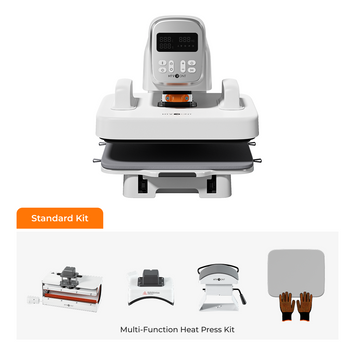
Vinyl cutter: Entry‑level machines start at a relatively affordable price point, and ongoing costs are mostly vinyl rolls. HTV costs a few dollars per sheet, making it easy to start small and scale. You'll also need a weeding tool, transfer tape, and a t shirt press for fabric projects.
Laser engraver: The initial investment is higher, especially for CO2 lasers with larger work areas. However, raw materials are cheap — a sheet of plywood or acrylic often costs less than the equivalent area of HTV. You'll also need ventilation, safety glasses, and possibly a water cooling system.
4. Learning Curve
Vinyl cutter: Easy to learn. Design software is typically drag‑and‑drop, and the cutting process is straightforward. Most beginners complete their first project within an hour of unboxing. Weeding and transfer taping take practice, but the overall learning curve is gentle.
Laser engraver: Steeper learning curve. You need to understand power vs. speed settings for each material, how to set the correct focal distance, and safety precautions for different materials. Expect a few test runs (and some wasted material) before you consistently get great results.
5. Space & Safety
Vinyl cutter: Compact and quiet. Most desktop models fit on a standard desk. No special ventilation is required.
Laser engraver: Requires more space — not just for the machine, but for the exhaust system. You need a well‑ventilated area (or an external duct to a window) to handle smoke and fumes. Some materials produce toxic gases when lasered, so safety research is mandatory.
Which Machine Is Right for You?
Answer these three questions to narrow down your choice:
-
What do you want to make? T‑shirts and decals → vinyl cutter. Wood signs, acrylic, leather → laser engraver.
-
What's your budget? Tight budget and want to start fast → vinyl cutter. Can invest more upfront for versatility → laser engraver.
-
What's your workspace like? Small apartment with no ventilation → vinyl cutter. Garage or dedicated workshop → laser engraver.
📌 Bottom line: Choose a vinyl cutter if apparel, decals, and fabric projects are your focus. Choose a laser engraver if you want to work with wood, acrylic, leather, and rigid materials. They're not competitors — they're complementary tools for different creative paths.
Can You Use Both?
Absolutely. Many successful small businesses run a vinyl cutter and a laser engraver side by side. The vinyl cutter handles the apparel line (T‑shirts, hoodies, tote bags), while the laser engraver produces home décor (wooden signs, acrylic lamps, personalized leather goods). Together, they cover two distinct customer bases and double your product range.
If you've already mastered one machine, adding the other is a natural next step. Browse our vinyl cutter collection and laser engraver collection to explore your options.
Frequently Asked Questions
Can a laser engraver cut HTV?
No. Standard HTV contains PVC, which releases toxic chlorine gas when hit by a laser. You should never attempt to cut vinyl with a laser engraver. Use a vinyl cutter for all HTV and adhesive vinyl projects.
Is a vinyl cutter the same as a Cricut or Silhouette?
Cricut and Silhouette are popular brands of vinyl cutters, but not all vinyl cutters are Cricut machines. Standalone vinyl cutters (like the HTVRONT model) often have wider cutting widths, more powerful motors, and are better suited for small business production runs.
Which machine is better for a small business?
It depends on your niche. Apparel and decal businesses lean toward vinyl cutters. Home décor, signage, and personalized gifts favor laser engravers. The most successful craft businesses often run both.
Can I use a laser engraver indoors safely?
Yes, but only with proper ventilation. An inline exhaust fan and ducting that vents smoke outside is essential. Engraving certain materials (like acrylic or leather) can produce strong odors and fumes, so a dedicated workspace is recommended.
What's the cheapest way to get started?
A compact vinyl cutter with a starter pack of HTV is the lowest‑cost entry point. You can begin with small T‑shirt projects and reinvest profits into materials. Laser engravers have a higher minimum investment but offer more versatility across product types.
Final Verdict
A vinyl cutter and a laser engraver aren't rivals — they open completely different creative doors. The right machine for you depends entirely on what you want to make, how much you're willing to spend, and where you'll be working.
Pick the one that aligns with your project vision today — and remember, the other one will always be waiting when you're ready to expand.


 Cart Unlocks Add-On Deals