Introduction
In today's world, where personalization is the ultimate trend, custom products have become a huge part of our lives. From personalized T‑shirts and tote bags to one‑of‑a‑kind mugs and hats, the demand for customized items is at an all‑time high. At the heart of this creative movement is a powerful tool: the heat press machine. But with so many options on the market and a significant upfront investment required, you might find yourself asking, "Is it really worth buying a heat press machine?" This guide walks you through the benefits, costs, tools, and real‑world considerations so you can make a confident decision—whether you're a small business owner, a DIY enthusiast, or someone just starting to explore custom printing.
Let's start with the basics—what exactly does this machine do, and what types are available.
What Is a Heat Press Machine?
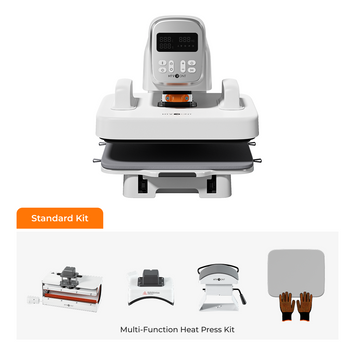
A heat press machine uses controlled heat, pressure, and time to transfer designs onto a wide range of materials—fabric, wood, ceramics, and more. It's the engine behind most custom apparel and personalized merchandise, turning plain blanks into professional‑quality products.
The machine works by applying heat and pressure for a set amount of time, allowing the design to adhere to the surface of the item. Depending on your projects, there are several types of heat press machines available:
-
Clamshell Heat Press: Opens and closes like a clamshell, making it compact and easy to use—perfect for beginners working in smaller spaces.
-
Swing‑Away Heat Press: The top platen swings completely away from the bottom, providing more workspace and even pressure distribution, ideal for thicker materials.
-
Hat Press: Specifically designed for printing custom designs onto hats and caps, with a curved platen to fit the shape of the headwear.
-
Tumbler Heat Press: Made for cylindrical items like tumblers and mugs, ensuring even heat application around the curved surface.
-
T‑Shirt Press: The most common type of heat press, designed for printing designs on T‑shirts and other flat fabrics.
📖 New to heat pressing? Start with the fundamentals:
-
What Is a Heat Press? – A complete beginner's guide to how these machines work and which type suits your projects.
Now that you know what a heat press is, let's explore the real reasons people invest in one—starting with the financial case.
Why Consider Owning a Heat Press Machine
Owning a heat press isn't just about making T‑shirts—it's about gaining creative control, reducing per‑item costs, and unlocking the ability to produce custom products on your own schedule, whether for profit or personal enjoyment.
1. Cost‑Effectiveness: Save Money in the Long Run
If you're running a custom product business, outsourcing printing jobs can eat into your margins quickly. Owning a heat press lets you buy blank T‑shirts and heat transfer vinyl (HTV) at wholesale prices and print your designs on demand. You gain full control over your inventory, eliminate per‑order outsourcing fees, and can fulfill orders faster—without waiting on a third party.
2. Creative Freedom: Let Your Imagination Run Wild
Third‑party printers often limit what you can create—minimum order quantities, restricted color palettes, or file format requirements. With your own heat press and tools like a vinyl cutter or vinyl printer, you can create intricate, multi‑colored designs and experiment freely. Whether it's a one‑of‑a‑kind shirt for a friend or testing new product ideas for your business, the creative possibilities are in your hands.
3. Versatility: One Machine, Endless Possibilities
Think a heat press is only good for T‑shirts? Think again. A heat press is like a Swiss Army knife for custom printing. Use a hat press for headwear, a tumbler heat press for drinkware, and a flat press for tote bags, pillowcases, mousepads, and more. The versatility makes it a fantastic investment whether you're crafting as a hobby or running a full‑fledged business.
4. Ease of Use: Anyone Can Be a Designer
"But I've never used a machine like this before. Can I handle it?" Absolutely. Most modern heat presses come with intuitive digital controls for adjusting temperature, time, and pressure. With a little practice, even complete beginners can produce professional‑quality designs. The learning curve is shorter than most people expect, and the satisfaction of peeling that first perfect transfer is worth it.
5. Personalized Touch: Make Life More Meaningful
Life is about the little things, and a heat press helps you add a personal touch to everyday items. Imagine giving your best friend a custom T‑shirt with their favorite quote, or surprising your family with personalized mugs for the holidays. These small, thoughtful gestures make a big impact, and a heat press makes them easy and fun to create.
A heat press alone is powerful, but pairing it with the right tools unlocks its full potential.
To get the most out of your heat press, you'll want a vinyl cutter for precise shapes, a vinyl printer for full‑color graphics, and a stock of quality consumables like HTV, sublimation paper, weeding tools, and protective sheets.
Vinyl Cutter
If the heat press is the canvas, the vinyl cutter is the brush. A vinyl cutter lets you cut intricate designs into heat transfer vinyl or other materials with precision and speed. While simple shapes can be cut by hand, a vinyl cutter makes the process faster, more accurate, and far less frustrating. Popular brands like Cricut, Silhouette, and Brother ScanNCut are great options, and HTVRONT's own LOKLiK Cutting Machine 2 integrates seamlessly with design software for a smooth workflow.
Vinyl Printer
Unlike a vinyl cutter, which cuts designs into pre‑colored vinyl, a vinyl printer lets you print full‑color designs directly onto printable vinyl sheets. This is especially handy for creating complex, multi‑colored graphics, logos, or even photographic designs. Pairing a vinyl printer with your heat press takes your customization projects to the next level.
📖 Want to understand the different decoration methods?
Before you add a heat press to your cart, here are the practical considerations that determine whether it's the right move.
Things to Consider Before Buying a Heat Press Machine
The decision comes down to four factors: initial cost (including accessories), available workspace, how frequently you'll use it, and the time you're willing to invest in learning the craft. Being honest about these prevents buyer's remorse.
1. Initial Cost
The price of a heat press can range from around $150 for a basic model to over $1,000 for a high‑end, professional‑grade machine. If you're new to custom printing or plan to use it occasionally, a budget‑friendly T‑shirt press might be all you need. However, if you're running a business or want to print on a variety of materials, investing in a more advanced machine is worth considering. Don't forget to budget for essentials like a vinyl cutter or printer, HTV or sublimation paper, weeding tools, protective sheets, and blank items to customize.
2. Space Requirements
Heat press machines come in all shapes and sizes. While some are compact and easy to store, others can take up significant space. If you're working in a small area, a clamshell press or portable model may be the best choice. Measure your workspace before ordering—a common beginner mistake is buying a machine that doesn't fit comfortably in the available area.
3. How Often Will You Use It?
Be realistic: will you use the heat press weekly, monthly, or just for the occasional holiday gift? If it's for infrequent DIY projects, a local printing service or renting a machine might be more cost‑effective. But if you plan to use it regularly—whether for a business or a serious hobby—the investment will likely pay for itself within a few months of consistent use.
4. Learning Curve
While heat press machines are user‑friendly, there's still a learning curve. You'll need to experiment with different temperature, time, and pressure settings to get the best results for various materials and designs. Be prepared to spend some time practicing and troubleshooting, especially if you're new to heat transfer vinyl or sublimation. The good news is that once you dial in your settings, repeatability is excellent.
With the practicalities covered, let's look at who benefits most from owning a heat press.
Who Should Buy a Heat Press Machine?
1. Small Business Owners
If you're starting or expanding a business that involves custom printing—whether it's T‑shirts, mugs, or hats—a heat press machine is a must‑have. It gives you control over the production process, reduces per‑item costs, and allows you to experiment with new designs and product lines without waiting on suppliers.
2. DIY Enthusiasts
For crafters and hobbyists, a heat press is a dream come true. It allows you to create personalized gifts, home decor, and one‑of‑a‑kind fashion pieces. With a heat press, your only limit is your imagination—and the satisfaction of wearing or gifting something you made yourself is hard to beat.
3. Schools, Clubs, and Organizations
Schools, sports teams, and community groups often need custom apparel for events, fundraisers, or uniforms. Owning a heat press makes it easy and cost‑effective to produce personalized items in‑house, without the markup and minimum order requirements of commercial print shops.
Frequently Asked Questions
How much does a decent heat press machine cost?
A reliable entry‑level heat press for hobbyists starts around $150–$300. Mid‑range models with more features and larger platens run $300–$600, while professional‑grade machines for business use can cost $600–$1,000+. Factor in additional costs for a vinyl cutter, materials, and blanks when budgeting.
Is a heat press better than an iron for HTV?
Absolutely. A household iron can handle small, simple HTV projects in a pinch, but it can't provide the even heat distribution, consistent pressure, or precise temperature control of a dedicated heat press. For professional‑quality, long‑lasting results—especially with larger designs or multi‑layer projects—a heat press is essential.
Can I use one heat press for T‑shirts, mugs, and hats?
Not with a single machine. Flat heat presses work for apparel and flat items, but mugs and tumblers require a dedicated tumbler heat press with a curved heating element, and hats need a hat press with curved platens. Some all‑in‑one presses come with interchangeable attachments, offering more flexibility if you plan to work with multiple product types.
How long does it take to learn how to use a heat press?
Most beginners can produce their first successful transfer within an hour of unboxing. Mastering the nuances—dialing in the perfect settings for different materials, achieving consistent multi‑color alignment, and troubleshooting common issues—typically takes a few weeks of regular practice. The key is to start with simple designs and build your skills gradually.
Conclusion: Is It Worth It?
So, is a heat press machine worth buying? The answer depends on your goals, budget, and how much you plan to use it. For small business owners and entrepreneurs, a heat press is an invaluable tool that helps you save money, maintain quality control, and grow your brand. For hobbyists, it's a gateway to endless creative possibilities and a way to add a personal touch to everyday life. However, if you only plan to use a heat press occasionally or don't have the space for it, you might want to consider alternatives like renting a machine or using a local printing service. Ultimately, a heat press machine is an investment in creativity and self‑expression—and when paired with tools like a vinyl cutter, vinyl printer, and quality materials, it turns your ideas into reality. If you're ready to take your custom printing projects to the next level, a heat press might just be the perfect addition to your creative toolkit.


 Cart Unlocks Add-On Deals