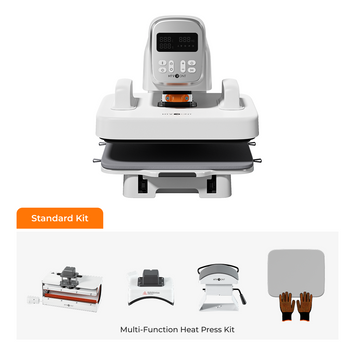
Introduction
A heat press is an essential tool for anyone involved in crafting, printing, or customization businesses. Whether you're creating t-shirts, mugs, or other personalized items, keeping your heat press clean is crucial for ensuring its longevity and maintaining the quality of your designs. Over time, residue, adhesive, ink, or dirt can accumulate on the machine, affecting its performance and potentially ruining your projects.
In this guide, we'll walk you through the process of cleaning your heat press properly, step by step—from understanding why regular maintenance matters to mastering the techniques that keep your machine in peak condition for years.
1. Why Cleaning Your Heat Press Is Important
Cleaning your heat press regularly is vital for several reasons:
-
Maintaining Performance: Dirt and residue buildup can interfere with the machine's ability to evenly distribute heat and pressure, leading to inconsistent results.
-
Protecting Your Projects: Adhesive or ink residue on the platen can transfer onto your materials, ruining your designs and wasting time and money.
-
Extending Lifespan: Regular cleaning prevents wear and tear, ensuring your heat press lasts longer and operates efficiently.
-
Professional Results: A clean heat press ensures crisp, clean transfers every time, helping you deliver high-quality products to clients or customers.
Now that we know why cleaning matters, let's gather the right supplies—having everything on hand before you start makes the process smoother and safer.
2. What You'll Need to Clean a Heat Press
Before you start cleaning your heat press, gather the following supplies:
-
Lint-Free Cloths: These are ideal for wiping down the surface without leaving fibers behind.
-
Non-Abrasive Cleaner: A mild, heat-safe cleaning solution designed for use on metal surfaces.
-
Isopropyl Alcohol: Useful for removing stubborn adhesive residue.
-
Heat-Resistant Gloves: To protect your hands if you need to clean the machine while it's still warm.
-
Soft Brush or Toothbrush: For cleaning crevices and hard-to-reach areas.
-
Teflon Sheet: Optional, but helpful for protecting the platen during cleaning.
With your toolkit ready, let's walk through the cleaning process step by step—from the crucial safety step of powering down to the final inspection.
3. Step-by-Step Guide to Cleaning Your Heat Press
Step 1: Turn Off and Cool Down the Machine
Always start by turning off your heat press and unplugging it from the power source. Allow the machine to cool down completely before you begin cleaning. Cleaning a hot heat press can be dangerous and may cause burns or damage the equipment.
Step 2: Clean the Upper Platen
The upper platen is the most critical part of the heat press, as it comes into direct contact with your materials. Follow these steps:
-
Remove Residue: If there's adhesive, ink, or dirt on the platen, use a lint-free cloth and a non-abrasive cleaner to wipe it down gently. Avoid using harsh chemicals or abrasive materials, as these can scratch or damage the surface.
-
Tackle Stubborn Spots: For tougher residue, apply a small amount of isopropyl alcohol to the cloth and scrub the area lightly. A soft brush or toothbrush can be used for stuck-on debris.
-
Protect the Surface: If you frequently use heat transfer vinyl, consider placing a Teflon sheet over the platen during pressing to prevent future buildup.
Step 3: Clean the Lower Platen
The lower platen, where your materials rest, also needs regular cleaning:
-
Remove Dust and Debris: Use a lint-free cloth to wipe away any dust, lint, or debris from the surface.
-
Inspect for Damage: Check for cracks, dents, or other signs of wear that could affect your projects.
-
Replace Worn Covers: If your lower platen has a silicone pad or cover that's damaged or worn out, replace it to maintain optimal results.
Step 4: Clean Around the Machine
Don't forget to clean the surrounding areas of your heat press:
-
Wipe Down Exterior Surfaces: Dust and dirt can accumulate on the body of the machine. Use a damp cloth to clean the exterior without letting moisture seep into the electrical components.
-
Clean Buttons and Controls: Use a soft brush or cloth to gently clean around buttons, knobs, or digital controls to remove dust or grime.
-
Inspect for Loose Screws: While cleaning, check for any loose screws or parts that may need tightening.
Step 5: Preventive Maintenance
Once your heat press is clean, take steps to keep it in good condition:
-
Use Teflon Sheets: Regularly using Teflon sheets or covers can prevent adhesive and ink from sticking to the platen.
-
Store Properly: Keep your heat press in a clean, dry environment when not in use to avoid dust buildup.
-
Clean After Each Use: Wipe down the platen and surrounding areas after every session to prevent residue from accumulating over time.
You've got the process down. Now let's reinforce these habits by looking at the mistakes that can undo all your good work.
4. Common Mistakes to Avoid
When cleaning your heat press, avoid these common mistakes:
-
Using Abrasive Materials: Scrubbing with rough pads or steel wool can damage the platen's surface, reducing its ability to transfer heat evenly.
-
Cleaning While Hot: Attempting to clean the machine while it's still hot can result in burns or damage to the equipment.
-
Using Harsh Chemicals: Strong cleaners can corrode or discolor the metal parts of your heat press. Always opt for mild, heat-safe solutions.
-
Ignoring Regular Maintenance: Skipping regular cleaning can lead to residue buildup, poor performance, and costly repairs.
Avoiding those pitfalls is half the battle. The other half is building a routine that keeps your machine in top shape year after year.
5. Tips for Long-Term Care
To ensure your heat press remains in excellent condition for years to come:
-
Schedule Deep Cleaning: Perform a thorough cleaning at least once a month, especially if you use your heat press frequently.
-
Use Protective Accessories: Invest in Teflon sheets, platen covers, and other accessories to reduce wear and tear.
-
Monitor Temperature Settings: Avoid overheating the machine, as excessive heat can damage both the press and your materials.
-
Keep a Cleaning Kit Handy: Have your cleaning supplies readily available to make maintenance quick and easy.
6. Frequently Asked Questions
How often should I clean my heat press?
Wipe down the platen with a lint-free cloth after every use to prevent residue buildup. Perform a deeper clean with isopropyl alcohol at least once a month if you use your press regularly, or more often if you notice adhesive transferring onto your projects. A quick daily wipe saves you from scrubbing stubborn buildup later.
Can I use household cleaners on my heat press platen?
Stick to mild, non-abrasive cleaners or isopropyl alcohol. Avoid harsh chemicals like bleach, ammonia, or heavy-duty degreasers—they can corrode the metal surface, leave behind a residue that transfers to your materials, or even emit fumes when the platen heats up again.
What should I do if my platen has scratches?
Minor scratches usually don't affect performance, but they can trap residue more easily. If scratches are shallow, a Teflon sheet placed over the platen during pressing will prevent them from transferring marks to your projects. For deep scratches or gouges that affect heat distribution, consult your machine's manufacturer about platen replacement options.
Is it normal for the platen to change color over time?
Yes, some discoloration is normal—especially if you press a lot of adhesive materials. This doesn't necessarily mean the platen is dirty or damaged. However, if the discoloration is accompanied by a sticky texture, uneven heating, or visible residue, it's time for a thorough cleaning.
Can I use a steam cleaner on my heat press?
No. Steam introduces moisture into areas it shouldn't reach—around electrical components, in crevices, and under the platen. Moisture can cause rust, short circuits, and heat distribution problems. Stick to dry or slightly damp cleaning methods using lint-free cloths and appropriate cleaning solutions.
7. Conclusion
Cleaning your heat press is an essential part of maintaining its performance and ensuring high-quality results for your projects. With regular cleaning and proper care, you can extend the lifespan of your machine and avoid costly repairs or replacements. By following the steps outlined in this guide—and avoiding the common mistakes that lead to buildup and damage—you'll keep your heat press in top condition, ready to handle all your crafting and printing needs.


 Cart Unlocks Add-On Deals